
10 Music Promotion Strategies for SoundCloud Artists
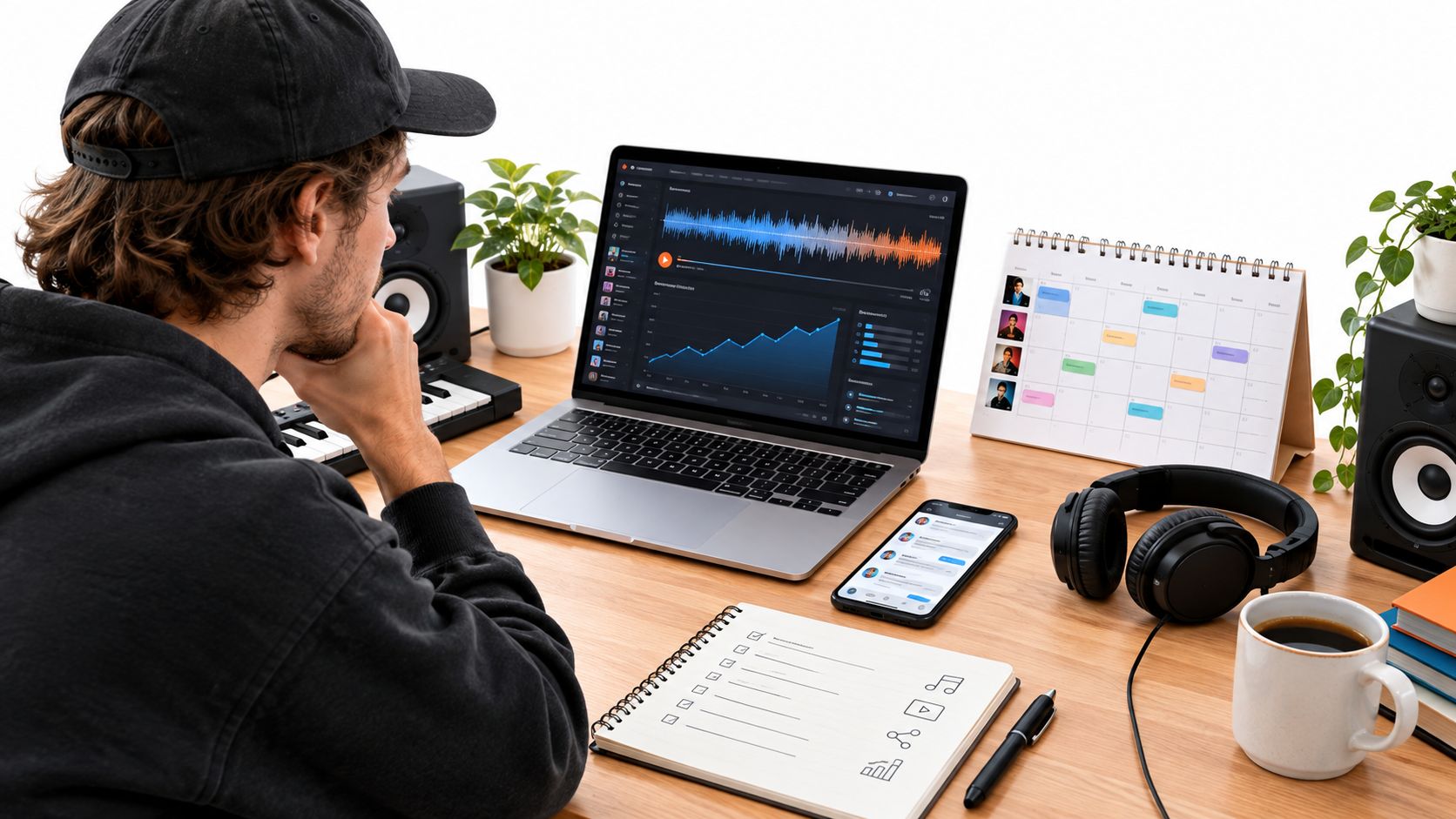
The competition helps explain why. Streaming platforms carried more than 100 million songs in 2024, with over 100,000 new recordings uploaded daily, according to the Global Music Report figures published by BVMI. Posting more indiscriminately isn't a useful response to that volume.
Working principle: Stop when you can no longer check relevance, personalize your contribution, or record what happened. Unfinished outreach can wait until tomorrow.
Table of Contents
- 1. Targeted Listener Discovery Through Similar-Artist Audiences
- 2. SoundCloud Playlist Placement and Curator Outreach
- 3. Short-Form Video Clips Driving Traffic to SoundCloud
- 4. Collaborations and Features With Complementary Artists
- 5. Remix Contests and Stem Releases
- 6. Live DJ Sets and Streamed Performances
- 7. Fan Email List and Direct Newsletter Updates
- 8. Strategic Release Timing and Pre-Release Teasers
- 9. Music Sync Licensing and Placement in Film, TV, and Games
- 10. Music Blog and Niche Press Outreach
- 10 Music Promotion Strategies: Side-by-Side Comparison
- Building a Weekly Promotion Rhythm That Lasts
1. Targeted Listener Discovery Through Similar-Artist Audiences
Start with listeners who already show an interest in music close to yours. For a hypothetical techno producer, that means researching artists in the same subgenre and scene, rather than browsing the audience of the biggest electronic act available.
Before release week, build a shortlist of comparable artists. Check their listeners' public activity for musical overlap, then visit relevant profiles and listen before contributing. A specific comment about someone's track is appropriate when you have something to say. An unrelated promotional link isn't.
Make discovery a daily review session
Use the beginning of each week to refresh your target artists and remove poor matches. During your daily session:
- Check relevance: Look for compatible genres, recent listening activity, and a credible profile.
- Contribute selectively: Listen first and comment only when your response adds something.
- Avoid repetition: Keep a record of accounts you've already engaged with.
- Review outcomes: Compare profile activity, plays, and new audience engagement with your baseline.
Your daily ceiling should be the shortlist you can review individually without rushing. Don't extend the session just because yesterday produced little response.
The trade-off is speed. Relevant discovery takes longer than indiscriminate outreach, and a compatible listener still owes you nothing. Judge the routine by whether interested people return, not by how many profiles you visit.
2. SoundCloud Playlist Placement and Curator Outreach
A playlist pitch should explain why your track belongs beside the curator's existing selections. Your biography matters less than the listening experience they're trying to maintain.
For a hypothetical lo-fi release, research playlists built around the track's actual mood. Listen through recent additions and check whether the curator still updates the playlist. A sleepy, wordless track probably needs a different pitch from a vocal-heavy study track, even if both carry the same broad genre label.
Build the research before release, then reserve a fixed weekly session for sending pitches. Include the genre, mood, BPM when relevant, release timing, and a direct preview. Explain the fit in plain language rather than describing the track as your most exciting release yet.
- Keep a curator log: Record playlist identity, contact preference, pitch date, and response.
- Respect submission rules: Use the requested channel and file format.
- Evaluate placements: Watch for relevant listening and profile engagement, not just an addition.
Placement can create exposure without lasting artist interest. Pair this music streaming promotion approach with a clear profile, strong artwork, and an obvious next track so a curious listener has somewhere useful to go.
3. Short-Form Video Clips Driving Traffic to SoundCloud
A memorable clip and a meaningful listener aren't the same result. Your video needs to earn attention, but it also needs to make the full track worth seeking out.
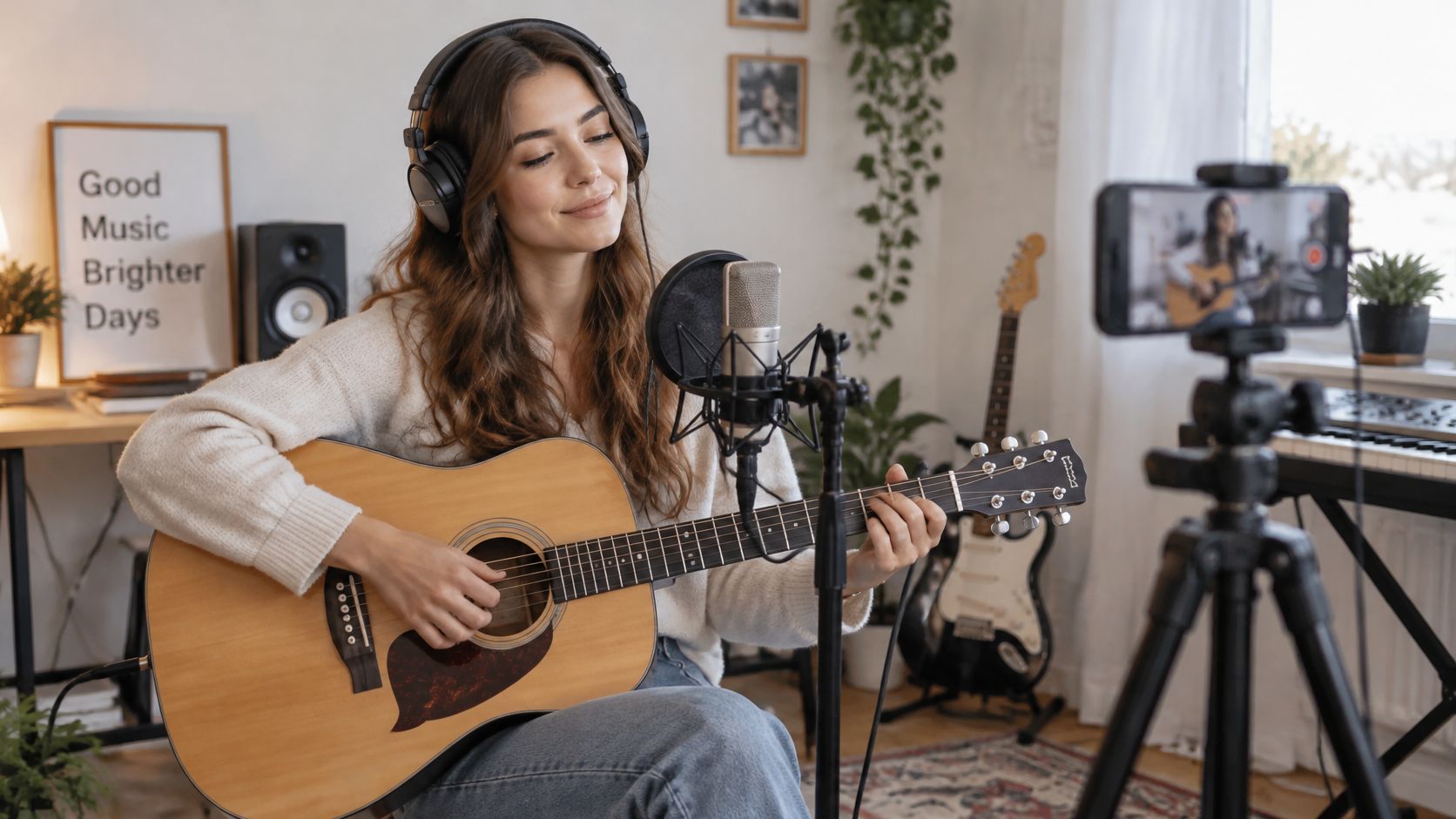
Batch footage each week around distinct ideas: perform the hook, explain a lyric, demonstrate the production, or play a stripped-back version. A hypothetical vocalist could compare a direct chorus performance with a clip explaining the experience behind the song, while keeping the destination track unchanged.
Test the route from clip to track
Open with the musical moment, add readable captions, and give viewers a clear reason to listen on SoundCloud. Use distinct tracking destinations where practical, then compare outbound clicks, profile visits, and subsequent listening.
Your daily ceiling is the content you can publish and support with thoughtful replies. Don't turn every spare studio hour into filming.
Use the RenderIO guide to scalable video repurposing for production planning, and connect those assets to a broader online music promotion workflow. Repurposing saves production effort; it doesn't remove the need to test whether viewers become listeners.
4. Collaborations and Features With Complementary Artists
Choose collaborators for musical compatibility and working habits, not audience size alone. A reliable artist with an adjacent sound is a better starting point than someone who attracts attention but won't finish the project.

Consider a hypothetical hip-hop vocalist collaborating with a producer whose listeners already enjoy melodic regional rap. The promotion can show both contributions: a vocal performance from the singer and a production breakdown from the beatmaker.
Before recording, agree in writing on ownership, revenue splits, credits, permissions, delivery expectations, and release timing. Decide who uploads the track and how each artist will direct listeners toward the other.
Give the partnership a weekly checkpoint
Keep a shared task list covering audio, artwork, approvals, and promotional assets. Around release day, coordinate posts so they tell complementary stories instead of repeating identical captions.
Your daily ceiling should be the collaboration work you can complete properly, including feedback and existing commitments. Don't keep approaching new partners while leaving current collaborators waiting.
A collaboration isn't an audience exchange unless both artists make the introduction clearly.
The downside is coordination. Missed approvals or unclear ownership can delay an otherwise finished release, so resolve responsibilities before announcing anything publicly.
5. Remix Contests and Stem Releases
Release stems when you can support the people who use them. A remix invitation creates production questions, permission questions, submissions, and review work, not just promotional material.
For a hypothetical electronic single, offer clearly labeled vocal, drum, bass, and melodic stems. Include tempo, key where useful, alignment instructions, and a reference mix so contributors can begin without guessing.
Use a weekly rhythm: prepare the files before announcing the project, answer questions during the submission period, then schedule listening and approval sessions afterward.
- Define permissions: Explain what contributors may upload, distribute, monetize, or submit elsewhere.
- State approval rules: Clarify whether sharing an entry means endorsing it or authorizing a release.
- Collect submissions consistently: Request producer credits, contact details, and a listening destination.
- Plan recognition: Decide how selected contributors will be credited and presented.
Your daily ceiling is the number of submissions you can hear attentively and document fairly. Close or pause intake if you can't support further entries.
The trade-off is administrative effort. A smaller invitation to compatible producers may be more manageable than a public contest when your audience is still developing. Judge the project by finished relationships and relevant listening, not by the size of the download count.
6. Live DJ Sets and Streamed Performances
Give existing listeners a different way to experience the release. A DJ can place an original track inside a coherent set; a vocalist can perform an alternate arrangement and explain the song's context.

Plan the performance during your weekly session, then separate rehearsal, recording, editing, and publication across manageable work periods. Choose a cadence you can maintain without sacrificing the quality of your main releases.
Make the recording easy to navigate
Use a descriptive title and provide artist credits and timestamps where appropriate. If the performance includes your current release, identify it clearly and direct interested listeners toward the standalone track.
For a hypothetical house producer, that might mean explaining where the original appears in the set rather than asking viewers to search through the entire recording.
Your daily ceiling should be a defined production stage, not an obligation to publish another complete performance. A rehearsal day doesn't also need to become an editing and promotion day.
The main trade-offs are preparation time and rights clearance. Check permissions for third-party recordings, samples, and unreleased material before publishing. Don't assume that crediting an artist grants permission to use their recording.
7. Fan Email List and Direct Newsletter Updates
Treat email as a way to bring interested listeners back, not as a replacement for discovery. Someone who voluntarily requests an early demo has given you a clearer invitation to communicate than a stranger who happens to appear in a search.
MailerLite's benchmark analysis reports a 45.93% average open rate for the music industry, but opens alone don't establish listening or revenue, as explained in Discovery Music Group's email promotion guidance.
Offer a useful reason to subscribe, such as an approved download, early listening access, or production notes. Put the sign-up destination in your SoundCloud bio and relevant track descriptions.
Write around a specific listener action
Review your list and draft the next message during a fixed weekly session. Separate new subscribers, recent listeners, customers, and inactive contacts when you have enough information to do so responsibly.
- Before release: Explain what's coming and why it matters.
- On release day: Make listening the clearest action.
- After release: Share a performance, production story, or other genuine reason to return.
Your daily ceiling is the list work you can complete while checking consent, links, and rendering. Don't send another broadcast merely because plays have slowed.
Measure clicks, destination activity, and unsubscribes. A smaller responsive list is more useful than a neglected collection of addresses.
8. Strategic Release Timing and Pre-Release Teasers
Set the release date around readiness and your audience, not an assumed universal best day. You need the final audio, artwork, destination links, collaborators, and promotional materials ready before you ask people to pay attention.
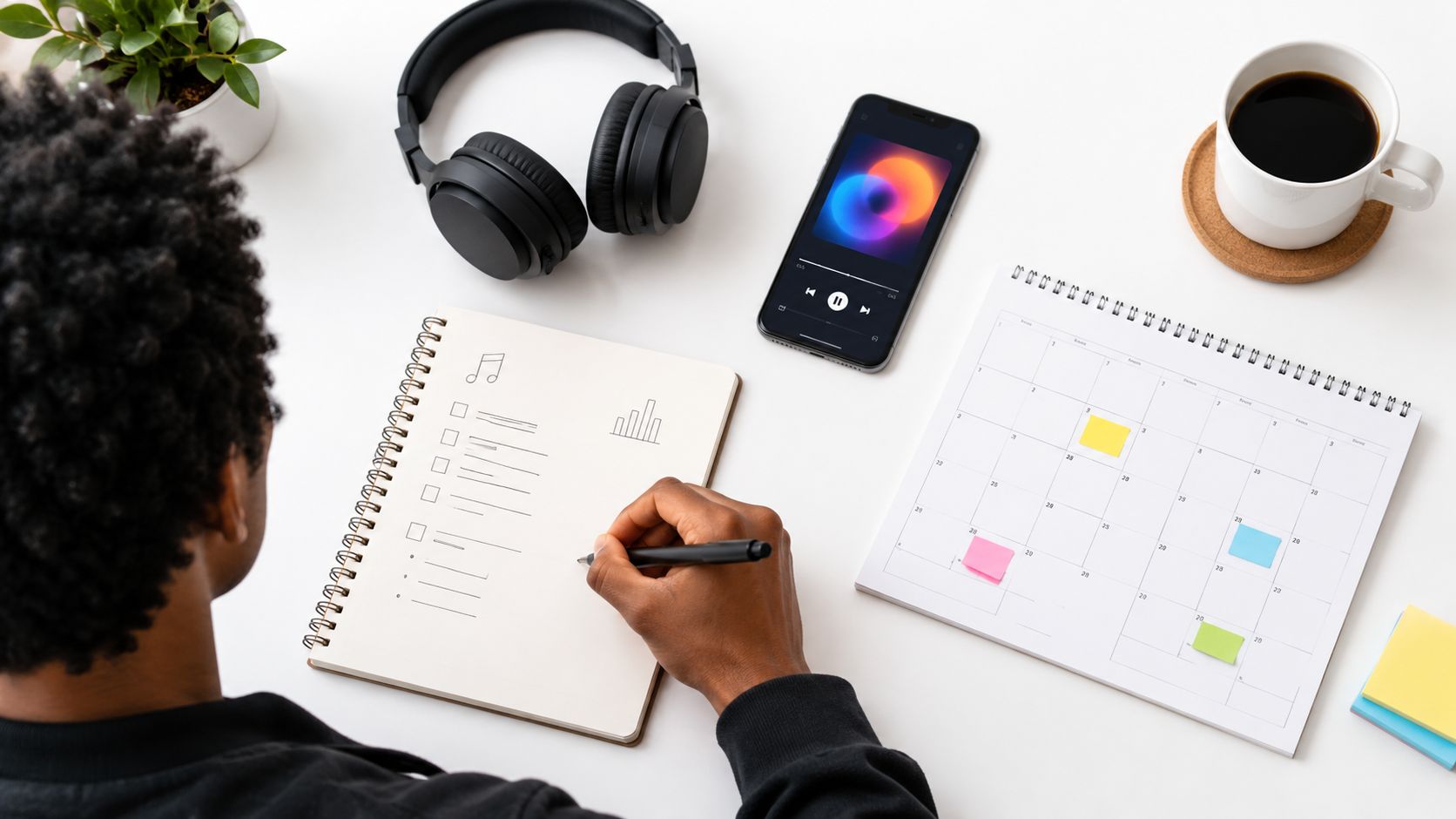
Work backward during your weekly planning session. Assign space for an initial preview, a different musical detail, and the release announcement, then reserve material for the period after launch.
For a hypothetical pop single, the opening teaser might introduce the chorus melody. A later post could reveal the lyric's meaning, while the release-day performance shows how the finished recording sounds.
Release-day safeguard: Check every destination as a listener before sending people toward it.
Your daily ceiling is the scheduled material you can publish accurately and support afterward. Don't squeeze delayed artwork, unfinished previews, and repeated announcements into the same session.
Consistency helps people recognize the release. Keep the title, artist credits, artwork, and listening destination aligned across your campaign.
The trade-off is flexibility: a detailed calendar still needs room for delays or unexpectedly strong audience interest. Use a music release strategy as a working schedule, not a reason to publish unfinished assets.
9. Music Sync Licensing and Placement in Film, TV, and Games
Treat sync pitching as catalog development alongside your release campaign. It shouldn't carry the responsibility for rescuing a quiet launch.
A hypothetical producer of music without vocals could prepare a tense electronic track for a suitable game brief while continuing regular SoundCloud promotion. The useful work starts with organized files and clear rights information, not a generic message announcing that the music would suit any project.
Prepare before approaching a contact
Dedicate weekly time to catalog readiness and another scheduled session to researching suitable opportunities.
- Document control: Identify who controls the recording and composition, including collaborators and samples.
- Organize delivery files: Prepare clearly named mixes, backing tracks, and alternate edits when appropriate.
- Describe the music: Include mood, genre, lyrical themes, and contact details.
- Check the brief: Confirm the requested use, delivery requirements, and submission process.
Your daily ceiling is the opportunities you can research and assess properly. Skip anything requiring rights you can't authorize or materials you can't deliver.
The trade-off is uncertainty. Keep correspondence and rights documentation organized, and evaluate progress through qualified conversations and catalog readiness rather than promised placements.
10. Music Blog and Niche Press Outreach
Pitch a story a particular editor can use. A finished track is necessary, but it doesn't automatically explain why that publication's readers should care.
For a hypothetical regional rap release, the useful angle might be a collaboration within the local scene or a distinctive recording process. Research outlets that cover that territory, then read their recent work before deciding whom to contact.
Build a weekly research session and a separate pitching session. Your message should include a concise introduction, a listening destination, release timing, usable artwork, and a specific explanation of editorial fit.
- Make the angle concrete: Explain the release's context without inflated claims.
- Reduce editorial friction: Keep credits, biography, and approved assets together.
- Handle exclusivity carefully: Offer an exclusive premiere to a selected outlet, not competing publications simultaneously.
- Record responses: Track interest, deadlines, requests, and refusals.
Your daily ceiling is the pitches you can tailor to actual coverage. Don't send a larger batch because the first messages went unanswered.
Press work can provide context without producing an obvious listening spike. Evaluate useful coverage, referral activity, and relevant audience response separately. Keep publishing and listener engagement moving while editors make their decisions.
10 Music Promotion Strategies: Side-by-Side Comparison
| Strategy | 🔄 Implementation Complexity | ⚡ Resource Requirements | 📊 Expected Outcomes | Ideal Use Case | ⭐ Key Advantage |
|---|---|---|---|---|---|
| Targeted Listener Discovery Through Similar-Artist Audiences | Moderate; review and engage with curated profiles consistently | Daily time; target-artist research; listener-discovery tool optional | Gradual growth in relevant listeners and repeat plays | New artists seeking genre-aligned listeners | Reaches people already interested in similar music |
| SoundCloud Playlist Placement and Curator Outreach | Moderate; research playlists and send tailored pitches | Playlist plays and potential long-tail traffic; placement is not guaranteed | Artists with a release-ready, genre-specific track | Connects music with listeners seeking a particular genre or mood | |
| Short-Form Video Clips Driving Traffic to SoundCloud | Moderate to high; requires regular content planning and posting | Smartphone or basic video setup; time to create and publish clips | Potentially broad reach and traffic spikes, with variable conversion | Artists with strong hooks who can post visual content regularly | Low-cost way to reach new viewers across multiple platforms |
| Collaborations and Features With Complementary Artists | Moderate; requires partner coordination and clear agreements | Compatible collaborators; time for production and promotion | Cross-audience exposure, credibility, and potential repeat listeners | Artists seeking access to a related audience | Shares audiences and promotion without ad spend |
| Remix Contests and Stem Releases | High; involves contest management and rights review | Stems, licensing terms, submission process, and review time | New remixes, producer engagement, and renewed attention | Artists with adaptable tracks and an active producer community | Turns producers into contributors who may share the music |
| Live DJ Sets and Streamed Performances | Moderate; recording, publishing, and scheduling required | Recording or streaming equipment; tracklist and artwork | Searchable long-form plays and returning listeners over time | DJs and performers who regularly play live sets | Creates enduring content and showcases music in context |
| Fan Email List and Direct Newsletter Updates | Moderate; requires list-building and ongoing communication | Signup form and email platform; regular content | More direct release traffic and stronger fan retention | Artists with a growing audience who want a direct channel | Maintains access to fans independent of social algorithms |
| Strategic Release Timing and Pre-Release Teasers | Moderate; requires a release schedule and coordinated promotion | Finished track, teaser assets, and time to plan campaigns | Stronger launch coordination and measurable early activity | Artists planning regular releases | Aligns outreach and promotion around a clear release date |
| Music Sync Licensing and Placement in Film, TV, and Games | High; pitching, rights clearance, and catalog preparation required | Cleared rights, metadata, suitable tracks, and pitching time | Possible audience and income spikes; placements are competitive | Artists with versatile, rights-cleared catalogs | Can deliver exposure, credibility, and licensing income |
| Music Blog and Niche Press Outreach | Moderate; requires outlet research and tailored pitching | Finished release, press materials, and outreach time | Coverage, embedded plays, backlinks, and possible short-term traffic | Artists with a clear genre identity and release-ready music | Adds niche exposure and third-party credibility |
Building a Weekly Promotion Rhythm That Lasts
These music promotion strategies work best when each has a job. Similar-artist research and playlist pitching help you prepare relevant introductions before release. Teasers and collaborations give listeners context around launch, while performances, newsletters, remixes, and catalog pitching provide useful work after the announcement fades.
You don't need every tactic active at once. Choose according to your assets: a DJ with strong recorded sets has different advantages from a vocalist with compelling performance clips. Keep slower opportunities, such as press and licensing, separate from the activities you expect to support immediate listening.
Use fixed days and a conservative daily session
Build the week around a brief daily discovery session and assigned production work:
- Monday: Review results, refresh audience targets, and choose the week's priorities.
- Tuesday: Research suitable playlists and prepare personalized pitches.
- Wednesday: Record clips, rehearse a performance, or finish collaborator assets.
- Thursday: Send scheduled outreach and prepare permission-based email updates.
- Friday: Publish planned release material and respond to genuine interest.
- Weekend: Complete listening reviews, organize catalog files, and protect time for making music.
The daily ceiling is a maximum, not a target. Stop when relevance checks become rushed or replies become repetitive, and don't compensate for a missed session with an activity spike. No universal engagement volume can guarantee safety, so respect platform rules, account notices, and any restrictions you encounter.
SCHelper can support the discovery portion with curated shortlists based on target artists, genre, and scene, with manual confirmation of actions. Keep account access deliberate: SoundCloud's developer guide describes an OAuth authorization process that requires user consent for applications acting on an account's behalf. A controlled connection supports oversight; it doesn't replace good judgment about whom to engage.
For your next release, pick three strategies and set a 30-day measurement window. That's a planning recommendation, not a promise of results. Record your baseline and review profile visits, plays, repeat listening where visible, audience growth, reposts, saves where available, outbound clicks, curator responses, and email unsubscribes.
Separate what you can attribute directly from what merely happened during the campaign. Continue the routines that produce relevant engagement at a sustainable effort level, revise weak approaches, and review the results before adding more work.
SCHelper offers curated listener recommendations and a controlled daily review workflow for SoundCloud artists seeking relevant audiences. Visit SCHelper to explore how target-artist discovery and manual confirmation can fit into your next release campaign.